It comes as no surprise that each of these authors had a different approach to folk and national music and reflected it in their compositions in varying depth. Some were influenced only marginally, some others, including Janáček and Bartók, were intimately connected
Music scores of these compositions became a source of inspiration for many generations of musicians. The Czech Philharmonic Cimbalom Ensemble starts from these scores but also further develops them. It strives to newly approach famous works through its own arrangments, invigorates them and enjoys itself by balancing between folk and classical music.
Music scores of these compositions became a source of inspiration for many generations of musicians. The Czech Philharmonic Cimbalom Ensemble starts from these scores but also further develops them. It strives to newly approach famous works through its own arrangments, invigorates them and enjoys itself by balancing between folk and classical music.
ABOUT SOME COMPOSITIONS
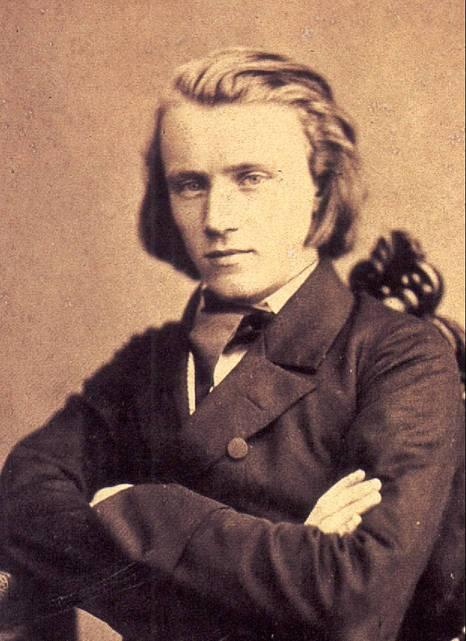
Johannes Brahms (1833 Hamburg - 1897 Vienna)
Hungarian Dances (first series) were composed between 1858 and 1868 on the folk themes. While originally composed for piano four hands, it was reworked numerous times already during Brahms´s life after a great success of the first edition. This success prompted additional series of Hungarian Dances and inspired other composeres, including Antonína Dvořák and his Slavonic Dances. |
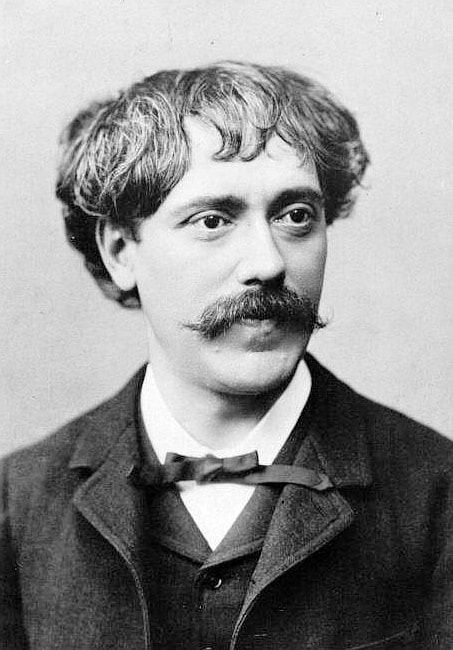
Pablo de Sarasate (1844 Pamplona - 1908 Biarritz) Ferenc Liszt touched technical boundaries of piano play in his compositions, while violin virtuoso Pablo de Sarasate did the same with the violin technique. Most of his compositions are characterized by Spanish rythms. Yet, there is no trace of it in the Gypsy Melodies for violin. These are amazingly close to entire Europe and became (also thanks to ingenious technical elements) a popular part of the repertoir of violin virtuosos. |
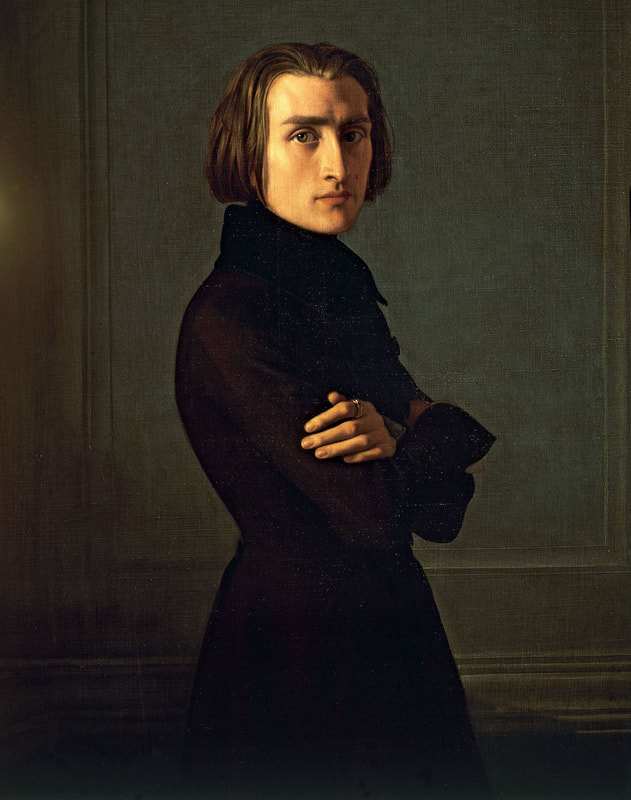
Ferenc Liszt (1811 Doborján - 1886 Bayreuth)
Hungarian Rhapsody No. 2 falls into his very productive composing period in Weimar. Liszt spent most of his life traveling on concert tours throughout Europe and returned to his Hungarian homeland relatively late (he left it at the age of less than ten when he went to study in Vienna) – it was at the time when he was already celebrated as a genius pianist by the whole continent. He drew strong inspiration from the short stay in his homeland which he embedded in the Hungarian Rhapshodies for piano. He emulated gypsy improvisation both in melody and form. He used the Hungarian gypsy scale and tried to approximate the sound and technical methods of cimbalom. The extent of technical difficulty of piano play in Hungarian Rapsody No.2 borders almost with exhibitionism. |
REPERTOIR OF THE CZECH PHILH. CIMBALOM ENSEMBLE
Johannes Brahms - Hungarian Dances No.5, 7, 4
Pablo de Sarasate - The Gypsy Airs op.20
Franz Liszt - Hungarian Rhapsody No.2
Béla Bartók - Romanian Folk Dances SZ.56
Zoltán Kodáyi - Dances of Galanta
Vittorio Monti - Czardasz
Georges Boulanger - Avant de mourir (for violoncello and cimbalom ensemble)
Astor Piazzolla – Oblivion (for english horn and cimbalom ensemble) Brahms - Uherské tance č. 5, 7, 4
Baroque music (mostly in Christmas Concerts):
Johann Sebastian Bach – Double concerto for oboe and violin in D minor
Alessandro Marcello - Oboe concerto in D minor
Georg Philipp Telemann - Viola Concerto in G major
Antonio Vivaldi – Four movements from Four seasons (with explanation)
Johann Sebastian Bach - Air
Other arrangements (performances for tourists)
Antonín Dvořák – Humoreska
Johann Strauss II – Pizzicato polka
